As electric vehicles (EVs) gain popularity, many new EV owners ask, “How many amps do I need for home EV charging?” Choosing the right amperage ensures fast, efficient, and safe charging at home. In this guide, we’ll explain the key factors to consider so you can make the best choice for your EV charging setup.
EV Charging Terminology
Before diving into specifics, it’s important to understand key terms:
- Level 1 Charger – Uses a standard 120V outlet and provides about 3-5 miles of range per hour. Best for minimal daily driving.
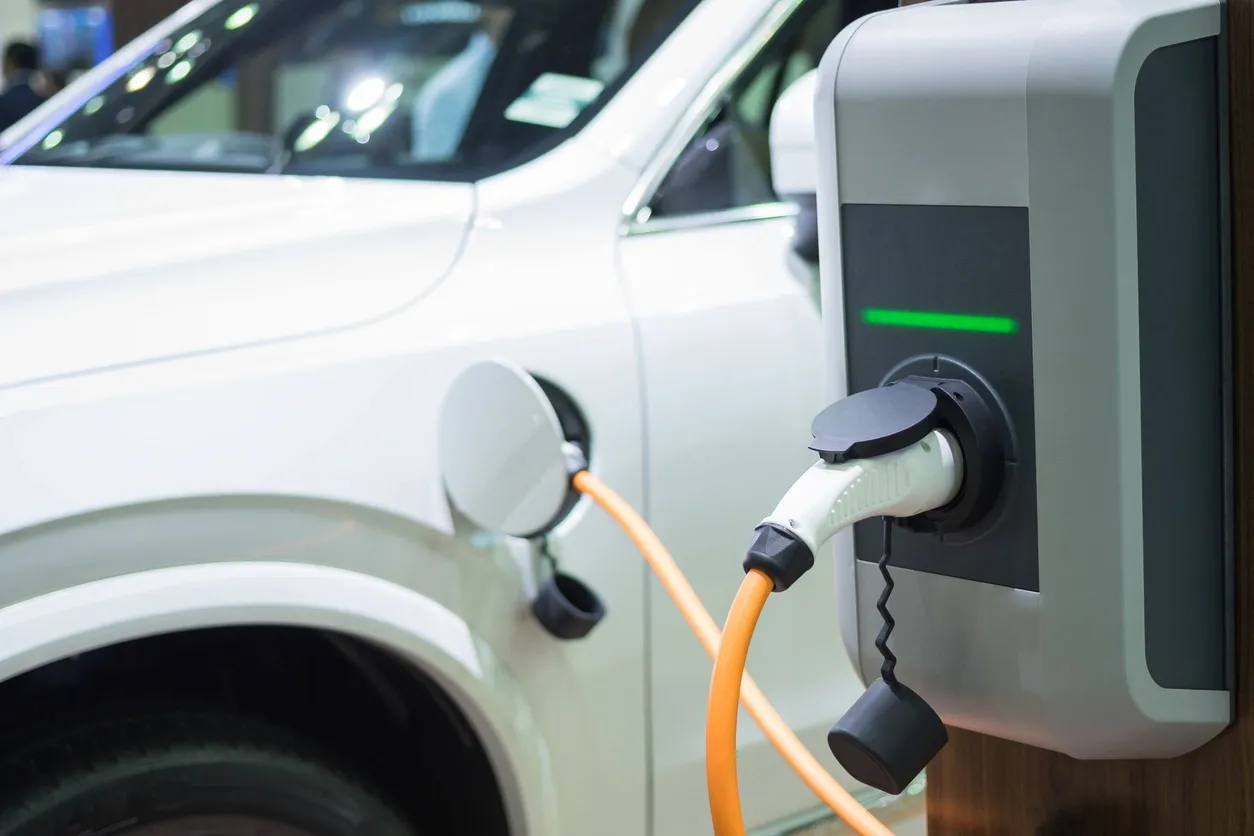
- Level 2 Charger – Requires a 240V outlet and delivers 20-40 miles of range per hour, depending on amperage.
- Miles of Range Per Hour – Measures how far your EV can travel after charging for one hour.
- Amps – Determines the amount of electrical current your charger can handle. Higher amps mean faster charging but require more electrical capacity.
Understanding these terms will help you make an informed decision when selecting a home EV charger.
Does an EV Charger Come with the Car?
Some EVs, like Tesla models, include a mobile charger, but these are usually Level 1 chargers that provide slow charging speeds. For efficient home charging, a dedicated Level 2 charger is the best option.
How Vehicle Efficiency Affects Charging Speed
Not all EVs charge at the same speed, even when using the same charger. More efficient EVs with smaller batteries, like the Nissan Leaf, charge faster than larger models like the Tesla Model X. Your EV’s efficiency and battery size impact how quickly it charges.
4 Key Questions to Consider Before Buying an EV Charger
- How far do you drive daily?
- Long commutes? A 40-50 amp charger ensures your EV is fully charged overnight.
- What is your home’s electrical capacity?
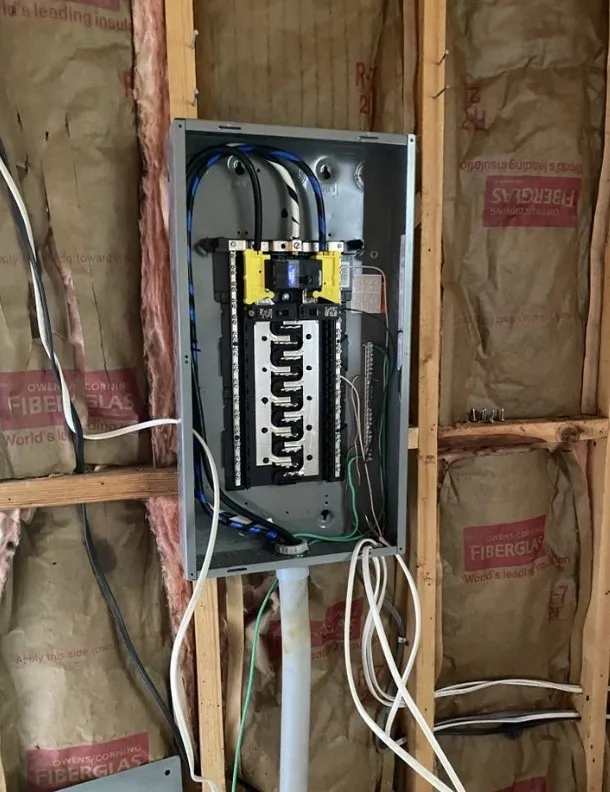
- Older homes may require a panel upgrade to handle high-powered chargers.
- Do you plan to add more EVs?
- Future-proof with a higher amperage charger or multiple charging ports.
- What is your budget?
- Higher amp chargers require additional electrical work, increasing installation costs.
How Many Miles of Range Per Hour Do EV Chargers Add?
Charging speed depends on the charger’s amperage:
- 16 Amps – Adds ~12 miles per hour.
- 32 Amps – Adds ~25 miles per hour.
- 40 Amps – Adds ~30-35 miles per hour.
- 48 Amps – Adds up to 40 miles per hour.
For most homeowners, 32-40 amps offer the best balance between cost and charging speed.
Is a Higher-Powered Home Charger Always Necessary?
Not necessarily. If you drive less than 30 miles daily or have access to workplace charging, a 32-amp charger may be sufficient. However, if you frequently deplete your battery or drive a larger EV, a 40-amp or higher charger may be a better investment.
Always Hire an EV Charging Specialist
Installing a home EV charger requires expertise to ensure:
- Compliance with electrical codes.
- Safe wiring and proper breaker capacity.
- Prevention of circuit overload and overheating.
At BeniteX Electric Inc., we specialize in professional EV charger installations, ensuring a safe and efficient setup.
Future-Proofing Your EV Charging Setup
Consider these upgrades for long-term convenience:
- Upgrade your electrical panel – A 200-amp panel supports future EV needs.
- Install a NEMA 14-50 outlet – Compatible with most Level 2 chargers.
- Choose a smart charger – Wi-Fi-enabled chargers offer app-based controls for optimized charging.
Conclusion
Selecting the right amperage for your home EV charger ensures convenience and efficiency. A 32-amp charger works for most drivers, while 40 amps or higher offer faster charging and future-proofing. Always consult a licensed electrician to ensure your home’s electrical system is ready for EV charging.
At BeniteX Electric Inc., we provide expert EV charger installations across Orange County, CA. Whether you need a panel upgrade or a new Level 2 charger, we’ve got you covered.
📞 Call Now: (949) 259-5956
📧 Email: infobenitex@gmail.com
🌐 Visit: www.benitexelectric.com